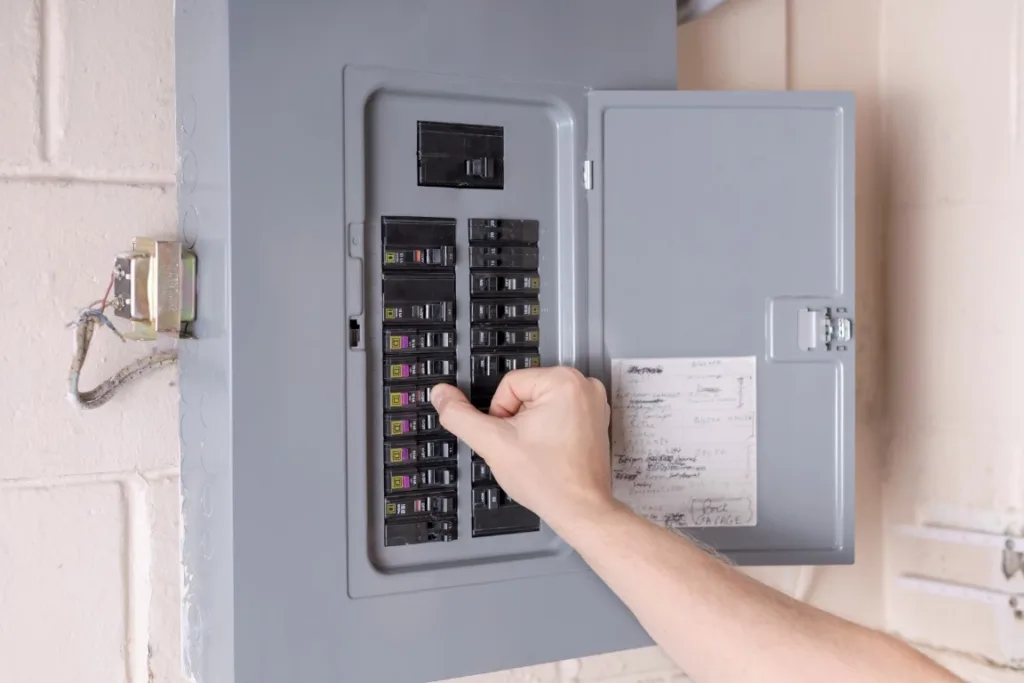
Circuit breakers are designed to protect a home’s electrical system by shutting off the power when they detect unsafe conditions. While an occasionally tripped breaker is not typically a cause for concern, if it trips repeatedly, it could be a sign that something’s wrong with one of your appliances.
At Appliance E.M.T., we want Utah homeowners to have all the knowledge they need to ensure their homes are safe and their appliances function properly. If you’re dealing with a repeatedly tripped breaker, keep reading to learn about the connection between appliances and circuit breakers, some common warning signs that something’s amiss, and when it’s time to call the appliance repair professionals at Appliance E.M.T.
What Does a Circuit Breaker Do?
First, let’s go over what exactly a circuit breaker is and what it does. Basically, it’s an electrical safety device designed to prevent overheating, electrical fires, and damage to wiring. They interrupt the power (or “trip”) when the electrical current exceeds safe limits, which may happen when circuits are overloaded or shorted, a ground fault occurs, or a faulty appliance is drawing excessive power.
How Appliances Can Cause Tripped Breakers
Now, let’s take a closer look at how appliances can cause breakers to trip. One of the main culprits is internal electrical failures. Worn wiring inside the appliance, damaged insulation around electrical components, or loose electrical connections may be to blame.
Failing components can also cause appliances to draw more power than usual. This includes shorted heating elements, faulty compressors, defective motors, malfunctioning control boards, or damaged power cords.
Finally, age can cause an appliance to become less efficient, meaning it requires more electricity to operate. This added demand for power may exceed the circuit’s capacity, leading to a tripped breaker.
Appliances Most Commonly Associated with Tripped Breakers
Certain appliances are more likely than others to trip the breaker, including:
- Refrigerator: Issues with the compressor, condenser fan motor, or defrost heater can all cause tripped breakers.
- Dishwasher: If your breaker trips repeatedly, it could be because the dishwasher’s heating element keeps shorting, the circulation pump is faulty, or its electrical components are affected by water intrusion.
- Clothes dryer: Your dryer’s heating element, motor, and electrical connections can experience malfunctions that cause tripped breakers.
- Washing machine: Drain pump issues, motor failures, and damaged wiring harnesses could be to blame.
- Electric oven or range: There could be broken baking elements, faulty temperature controls, or internal wiring damage.
- Microwave: Check for high-voltage capacitor issues, magnetron malfunctions, or door switch failures.
Warning Signs the Appliance Is the Problem
While appliances are often the reason behind tripped breakers, they’re not the only possible cause. To identify whether an appliance is the problem, pay attention to whether the breaker only trips when a specific appliance runs. You should also be on the lookout for appliance performance changes, including longer cycles, unexpected shutdowns, or reduced heating or cooling power.
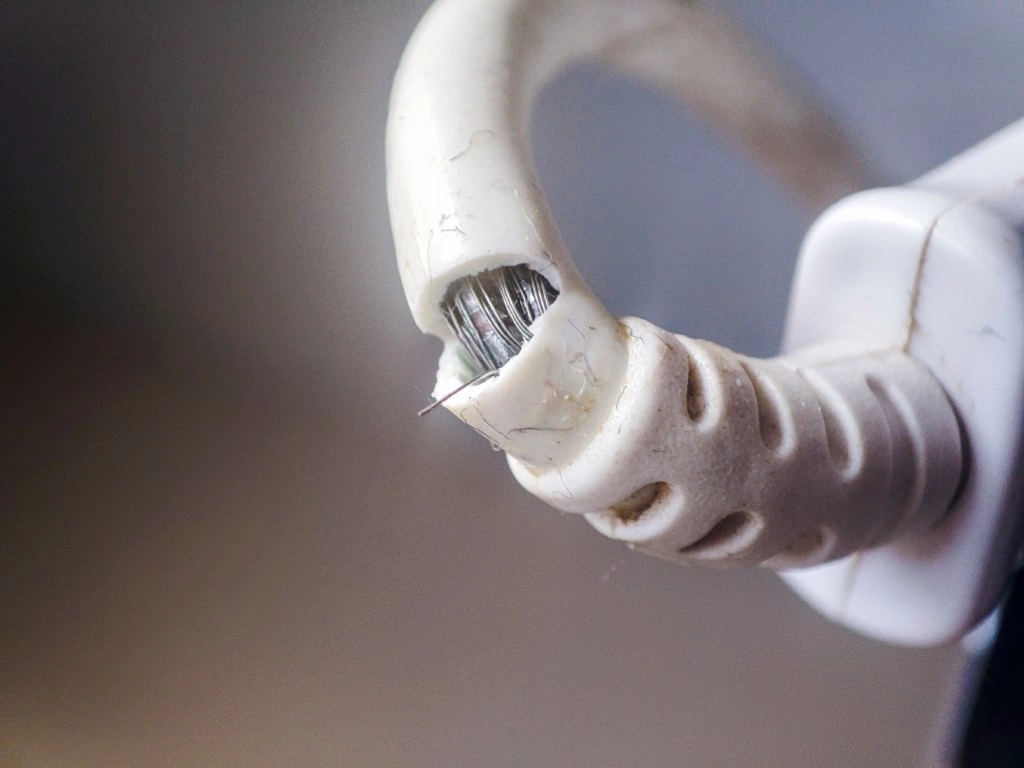
Burning smells, buzzing or humming sounds, or visible damage are also clues that your appliance is the culprit. Look for burn marks around plugs, frayed power cords, and melted or discolored outlets.
What Homeowners Can Check Before Calling for Service
If the breaker keeps getting tripped, you shouldn’t just keep resetting it and using your appliances as normal. Flipping the switch doesn’t fix the underlying problem — it just restores power temporarily. If you keep using the problem appliance, its failing components will only get worse, increasing the risk of safety hazards.
Instead, try to identify a pattern of breaker trips and determine whether it only happens when using a specific appliance. Inspect that appliance’s power cord and look for visible damage without attempting any DIY repairs. Make sure it’s plugged directly into the wall instead of an extension cord.
When to Schedule Professional Appliance Repair
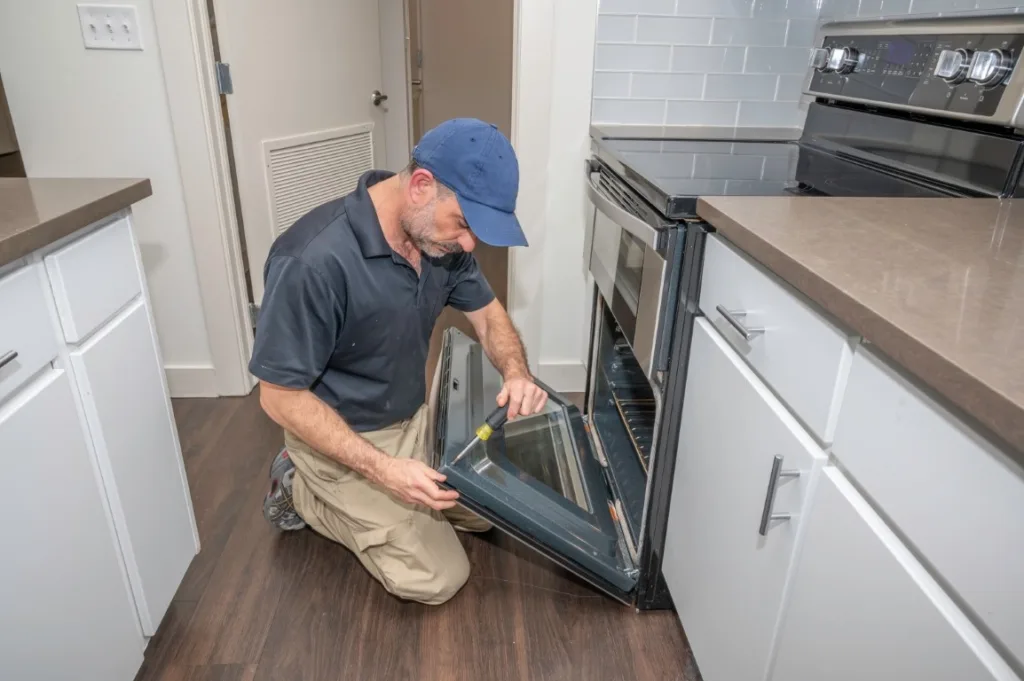
It’s time to schedule professional appliance repair if:
- The breaker trips every time the appliance starts
- The appliance shows signs of overheating
- The appliance’s performance has noticeably declined
- Multiple symptoms occur together
Reliable Appliance Repair in Weber and Davis Counties
At Appliance E.M.T., we know that faulty appliances can often cause recurring tripped breakers. We have helped countless homeowners fix the root of the problem and ensure their electrical systems are not overloaded by faulty appliances. If your breaker repeatedly trips, stop using the affected appliance and call Appliance E.M.T. to get the help you need.
Follow Us